The raku firing technique was developed in Japan by Raku Chojiro over 450 years ago. The raku tea bowls were first made for Ceremonial Tea Ware of the Zen Buddhist Masters. The word raku signifies enjoyment of freedom. It was preferred by the Masters because of itshumility, tasteful unpretentiousness, simple naturalness, and its deliberate avoidance of luxury...all very important to the Zen philosophy. In Japanese Raku, the piece is quenched by immersing it in a concentrated solution of green tea immediatly after being removed from the kiln.

The difference with American Raku is after the red hot piece if removed from the kiln, it is put into a metal can with combustible material, like paper. The paper ignites and the smoke reacts with the glaze in unpredicted ways, affecting the surface differently. This is called post-fire reduction.
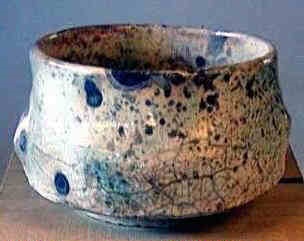
South African artists like Lorraine Marinkowitz have brought the raku technique to Africa as well within the last 20 years.

Steven Forbes-deSoule has been doing raku art for over 24 years, creating h is own distinct style. His work has been featured in books and magazines and has been represented by galleries and museums nationwide. Rece
 ntly he has been melting stained glass and glass rods on his unique "halo/opal" glaze, creating a variety of colors and textures.
 is own distinct style. His work has been featured in books and magazines and has been represented by galleries and museums nationwide. Rece
 ntly he has been melting stained glass and glass rods on his unique "halo/opal" glaze, creating a variety of colors and textures.
Vicki Hardin is an established clay artist, working with clay for the last 21 years and producing raku and pit firing pieces. She has shown throughout the southwest region,
 e
extensively in Texas, where she maintains her studio, Clay Art Pottery, home and family. She has recieved regional and national attention and praise for her work.


No comments:
Post a Comment